Visual Scripture

The Seven Masks

Seven ways a woman performs herself for a world that has not yet asked for her real face. Each Mask has a goddess who has known the women who wear her — across cultures, across centuries, across the Atlantic.


Not every woman wears all seven. Most wear two or three, well enough to convince themselves and everyone else. The Mirror reveals the one that has been costing her the most.

Begin The Mirror
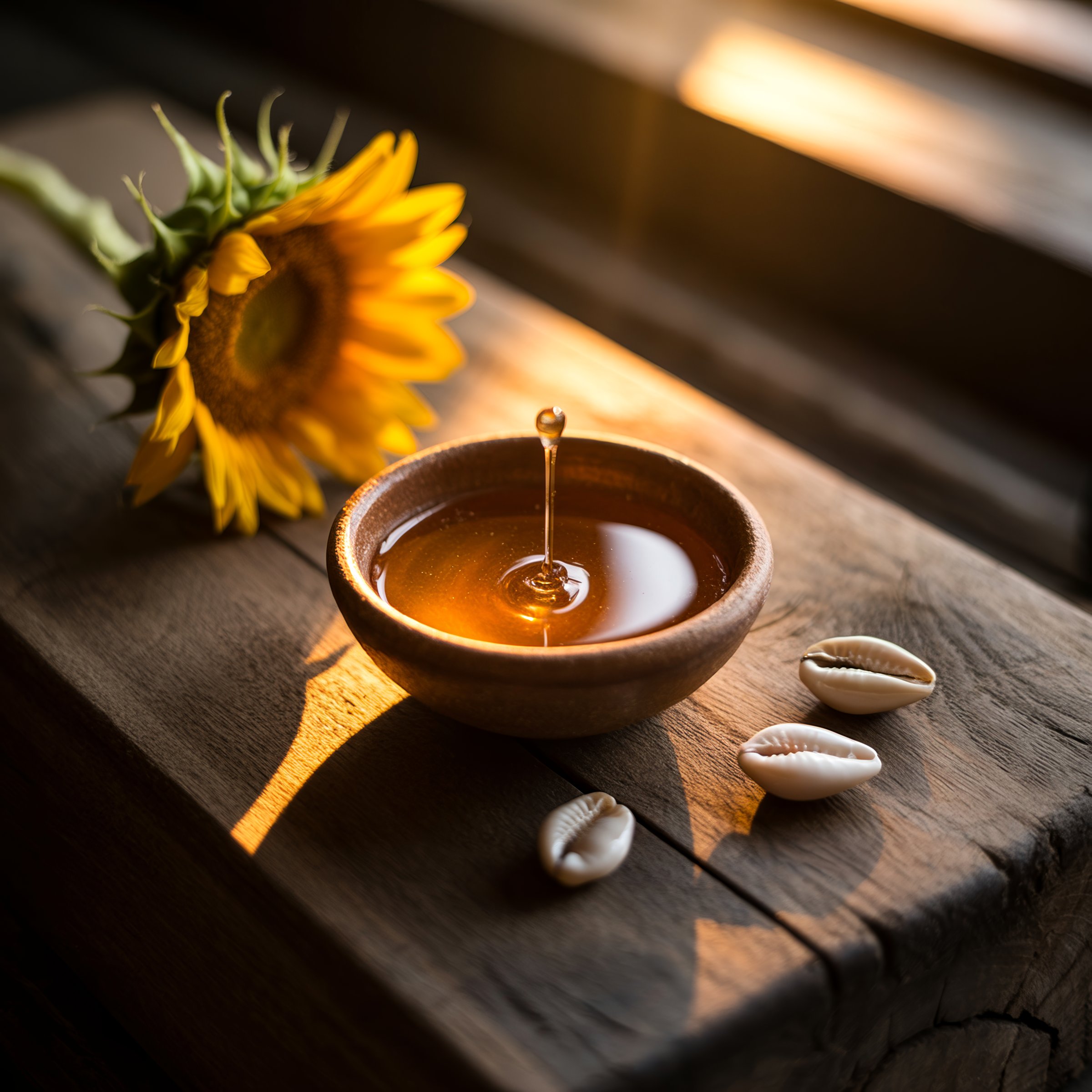
Honey dripping into a small clay bowl beside three cowries on weathered wood
Mask One

Òṣun

Yorùbá Yorùbáland and the African diaspora

The Performer

The Goddess

Òṣun is the goddess of sweet water, beauty, love, and fertility. She is the river, the honey, the gold, the laugh that turns a room. She knows the women who have made themselves charming so they could survive — and the cost of that charm when it becomes the only language she speaks.

The Mask

The woman who wears Òṣun has made herself delightful. She is the one in the room everyone wants to be near. Her warmth is real — and her performance of warmth has become indistinguishable from her warmth, even to herself.

The Tell

She has learned that being pleasant is safer than being clear. She has not said what she actually wanted in so long she cannot remember what that feels like in her body.

The Cost

Exhaustion that has no name. The slow erosion of a woman who has been honey for so long she has forgotten she was also iron.

The Path

Òṣun's woman walks the Movement of Recognition. She learns that her warmth is real, and that warmth without sovereignty is exhaustion. She learns to be honey and to be the woman who chooses where the honey goes.

Seven silver bracelets arranged on damp sand before a predawn ocean
Mask Two

Yemayá (Yemoja)

Yorùbá Lukumí Candomblé

The Sovereign

The Goddess

Yemayá is the great mother of the ocean. She is the queen of the surface and the depths. She rules without raising her voice. She knows the women who have made themselves in command so they could survive the room — and the cost of running a room she does not actually want to be in.

The Mask

The woman who wears Yemayá has made herself in control. Every move calculated. The room is safe because she has already decided what happens in it. Her authority is real, and her performance of authority has become a fortress.

The Tell

She does not let anyone see her not knowing. She has not asked for help with something that mattered in a decade.

The Cost

Isolation at the top of the room. The slow conviction that no one can actually be trusted with what she actually carries.

The Path

Yemayá's woman walks the Movement of Threshold. She learns the difference between command and sovereignty. Command is what she does for the room. Sovereignty is what she does when no one is watching. She learns to let someone else hold the room sometimes — and that the room does not collapse.

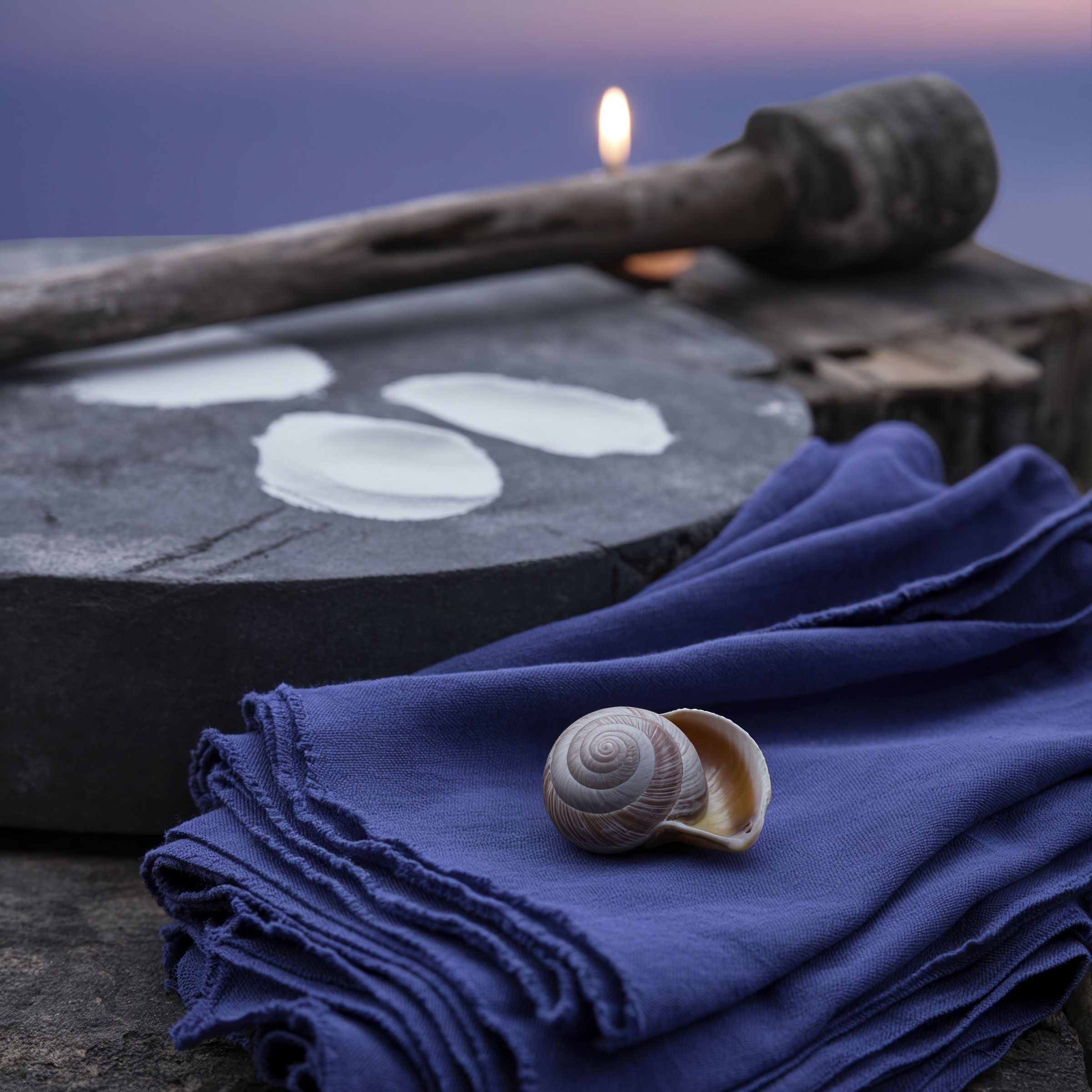
An ancient snail shell on indigo cloth with kaolin marks and a candle
Mask Three

Nana Buruku

Fon-Dahomey Mother of the Vodun

The Keeper

The Goddess

Nana Buruku is the eldest. She is the freshwater mud, the slow wisdom, the mother who comes before the mothers. She knows the women who have made themselves the one who holds it all — and the cost of being the load-bearing wall of every room she enters.

The Mask

The woman who wears Nana Buruku has made herself essential. The keeper. The one whose competence everyone relies on. Whose calm is the reason the family, the team, the company has not fallen apart.

The Tell

She is the first one called when something breaks. She has not been the one held in a long time. She believes — quietly, accurately — that everything would fall apart without her.

The Cost

The slow disappearance of the woman underneath the role. The fatigue of carrying what was never hers to carry. The fear of what she would be if she put it down.

The Path

Nana Buruku's woman walks the Movement of Lineage. She learns that the work of the keeper is real and that the keeper is not the keeper of everything. She learns to choose what she keeps. And to let some things, finally, set themselves down.

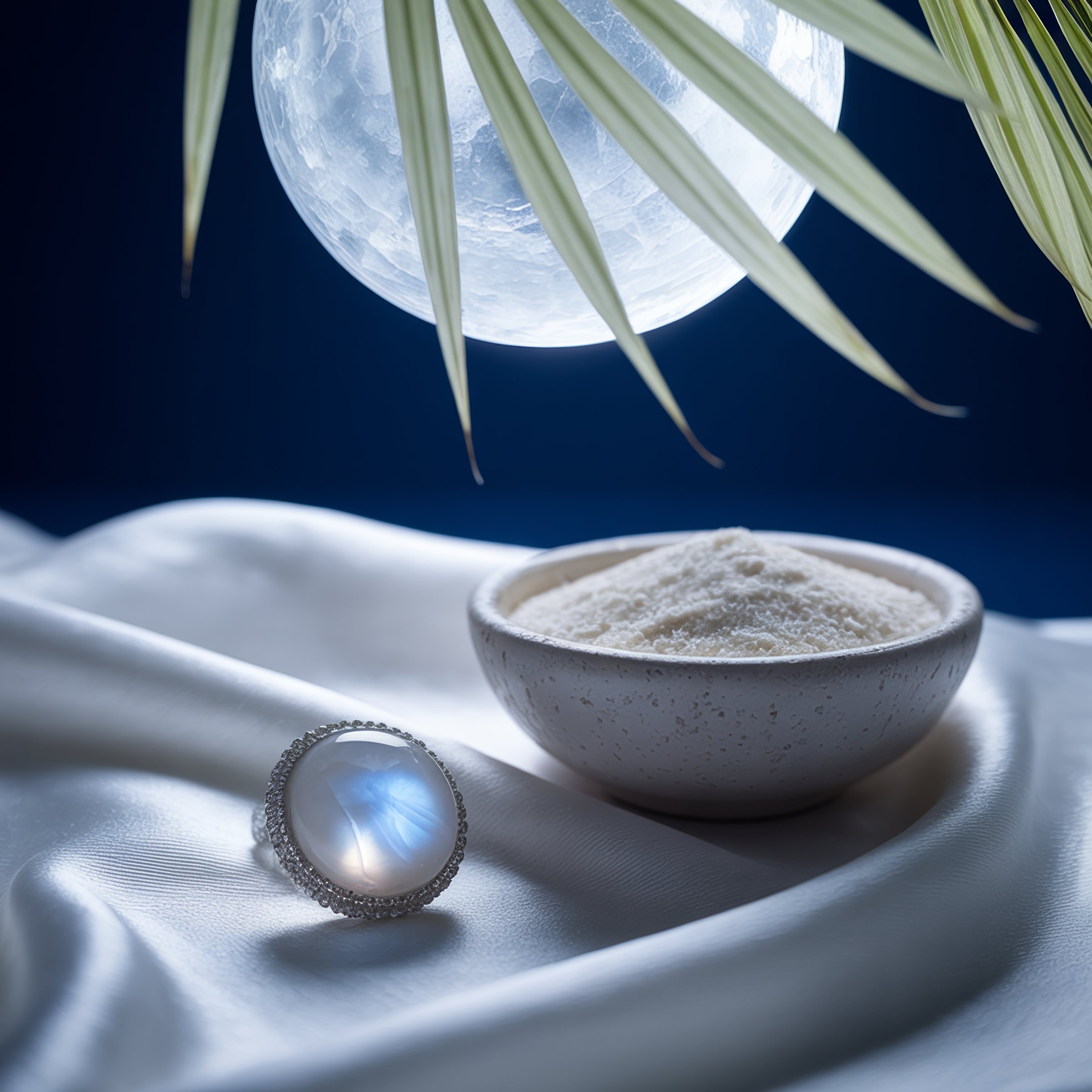
A single moonstone glowing under a full moon with palm fronds
Mask Four

Mawu

Fon-Dahomey Daughter of Nana Buruku

The Light

The Goddess

Mawu is the moon. She is the cool sister of the sun, the night-light, the gentle illumination. She knows the women who have made themselves luminous — and the cost of being the light that gives no shadow.

The Mask

The woman who wears Mawu lights up the room. Her presence brings ease. Her warmth makes others feel seen. Her gift is real, and the giving of it has become the only currency she trades in.

The Tell

She does not know how to be in a room without making everyone in it more comfortable. She has not had a feeling that did not, almost immediately, become someone else's relief.

The Cost

The disappearance of her own weather. The fatigue of being warm for others when the cold inside her is unattended.

The Path

Mawu's woman walks the Movement of Sovereignty. She learns that she is allowed to have weather. She is allowed to be cool, dim, withholding. The light she carries is real — and she gets to decide when and where to give it.

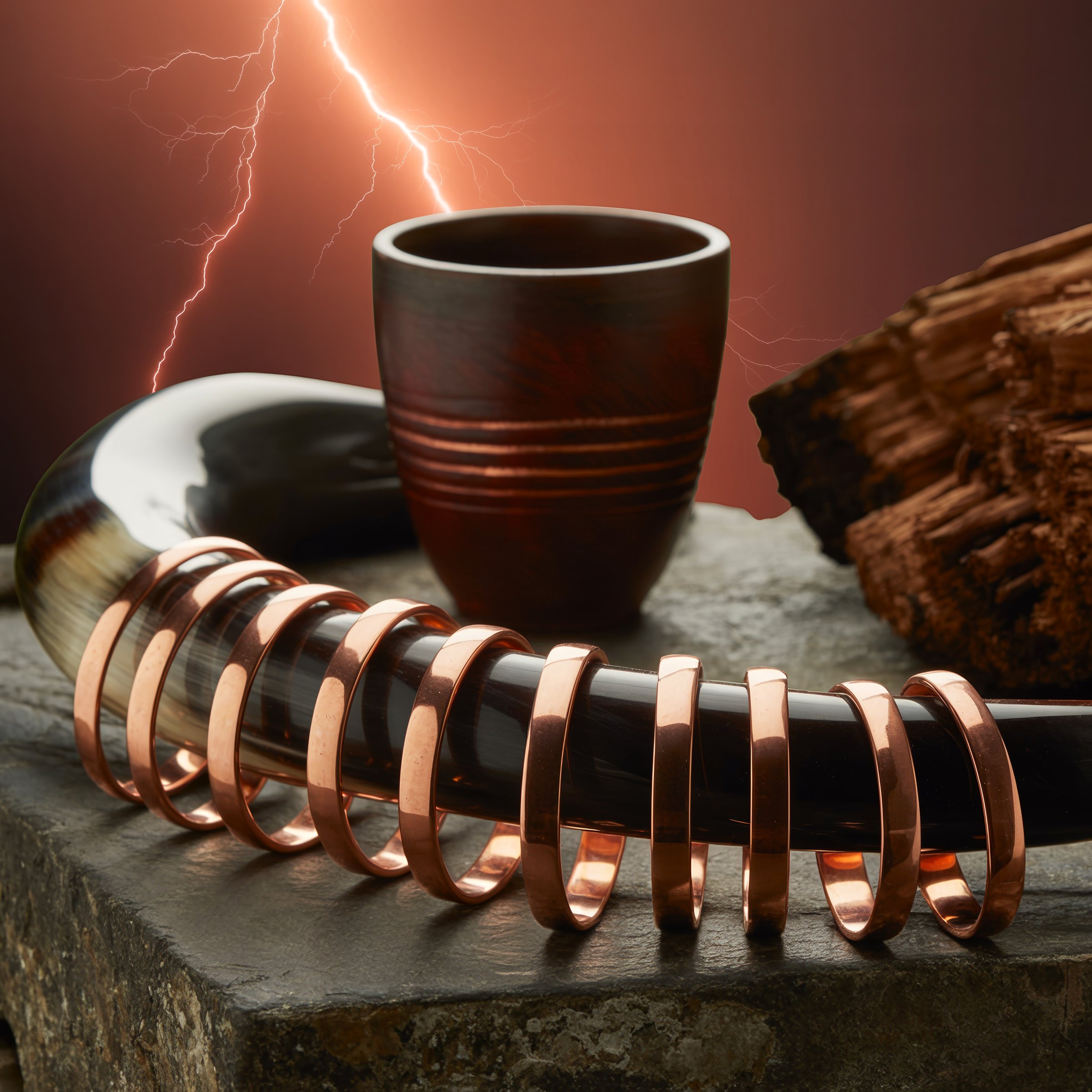
Nine copper bracelets stacked on a polished buffalo horn with lightning in the distance
Mask Five

Oya (Yansã)

Yorùbá Candomblé Goddess of the wind and storm

The Strategist

The Goddess

Oya is the wind, the lightning, the storm, the marketplace. She is the orisha of sudden change. She knows the women who have made themselves five moves ahead — and the cost of an intelligence so sharp it becomes a shield no one can see past.

The Mask

The woman who wears Oya has made herself the architect. She has already calculated every outcome. The intelligence is real and the use of it has become a way to never be surprised, never be exposed, never be caught flat-footed by anyone — including herself.

The Tell

She has not been surprised by her own feelings in years. She knows what she thinks before she has finished thinking it. She has used her strategy to make sure the world cannot get to her.

The Cost

The loss of contact with what her body knows that her mind hasn't named yet. The exhaustion of running everything from inside her own head.

The Path

Oya's woman walks the Movement of Inheritance. She learns that her intelligence is a gift, and that strategy is not the only way to know. She learns to be in a room without already knowing how it will end. She learns to be surprised by herself again.

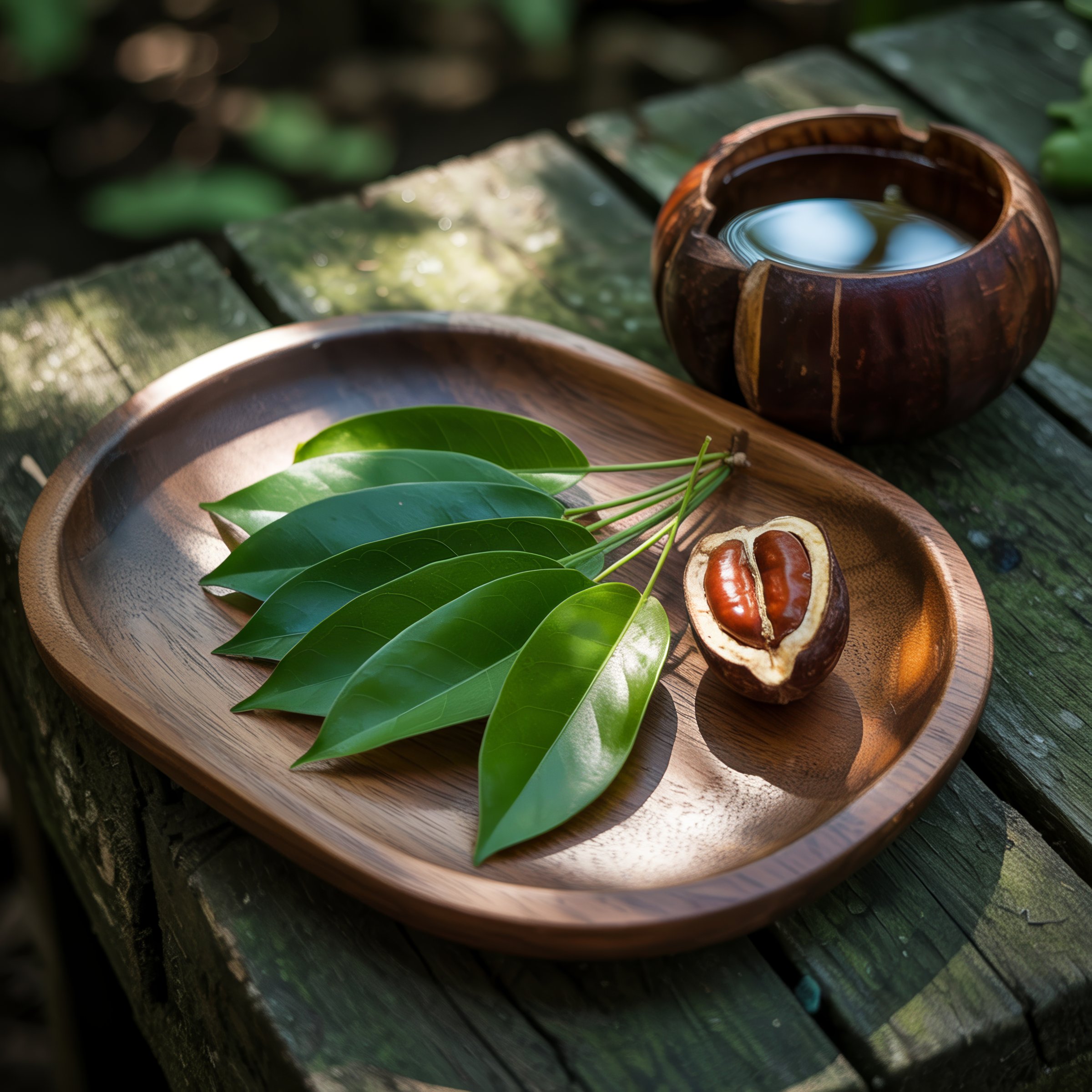
Single fresh leaves resting on a wooden divining tray beside a kola nut and a small calabash
Mask Six

Aja

Yorùbá Spirit of the forest, the wild herbs, the silent knowing

The Silent One

The Goddess

Aja is the orisha of the forest and the healing herbs. She is the silent one who knows the medicine. She knows the women who have made themselves small enough to be safe — and the cost of a silence that began as a survival strategy and became a life.

The Mask

The woman who wears Aja has made herself quiet. She has learned to take up less space than she actually occupies. She has made her wisdom invisible because invisible wisdom does not get punished. Her silence is not peace. Her silence is a very old strategy that worked once.

The Tell

She knows things, in any room, that she does not say. She has stopped expecting to be asked. She has built a life that does not require her voice.

The Cost

The slow drowning of the woman she might have been. The conviction — accurate to her experience but no longer accurate to her present — that her voice will be a problem.

The Path

Aja's woman walks the Movement of Convergence. She learns that the room she is in now is not the room she learned silence in. She learns to speak. Not loudly. Not all at once. But in the room, where she is, with what she knows. The silence stops being a wall and becomes a choice.

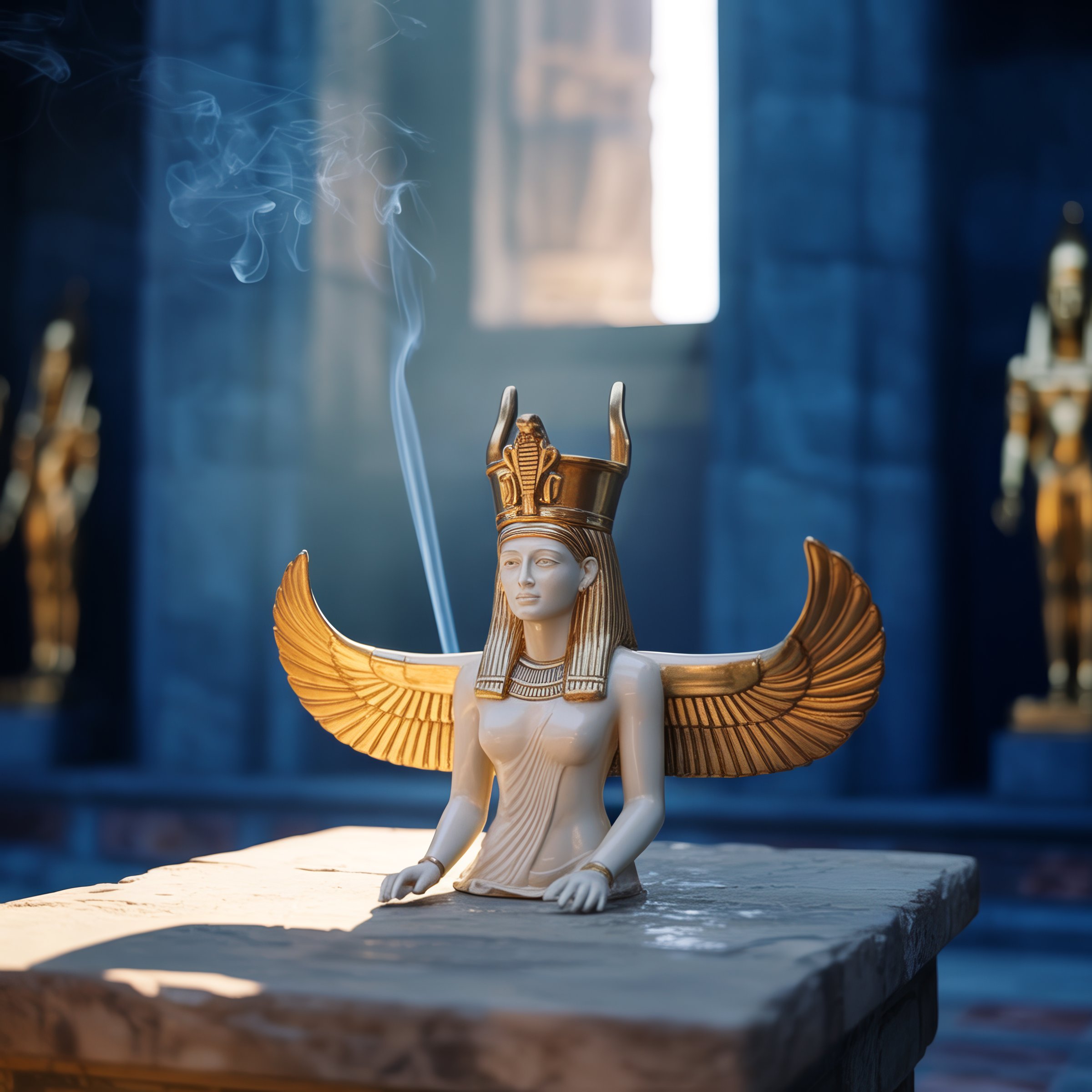
An alabaster statue of Auset (Isis) on her throne in a lapis-blue Kemet temple chamber
Mask Seven Elevated

Auset (Isis)

Kemet Mother of magic, mistress of the throne

The Giver Gatherer of the Scattered

The Goddess

Auset is the great mother of Kemet. She is the one who gathered the scattered pieces of her husband Osiris and made him whole. She is the throne itself, the seat of sovereignty. She knows the women who have given so much they no longer know what's theirs — and the cost of being the one who reassembles everyone else, including the parts of herself.

The Mask

The woman who wears Auset has given everything. Her giving is real and it has also become the most sophisticated performance in the collection — because no one questions it. Not even her. She has built her life around the gathering of others.

The Tell

She does not know what she would do with a week of her own life. She has not had an unscheduled hour in fifteen years. She believes — accurately — that she is needed everywhere.

The Cost

The disappearance of the woman who lived behind the work. The unspoken grief of having been the gatherer for so long she has forgotten that she, too, was scattered.

The Path

Auset is the elevated Mask. She does not have her own series — she walks every series. She is the woman who has been all six and has not yet been gathered herself. Auset's path is the seventh series, which is held for her. The Mirror will name her when she is ready.


You may already know which Mask you have been wearing. Or you may not. Either way, the Mirror is honest in a way that conversation rarely is.

Begin The Mirror

Seven questions. One true name. About ten minutes. Free.